Source Waterproof Uv Protection Car Awning for Camping
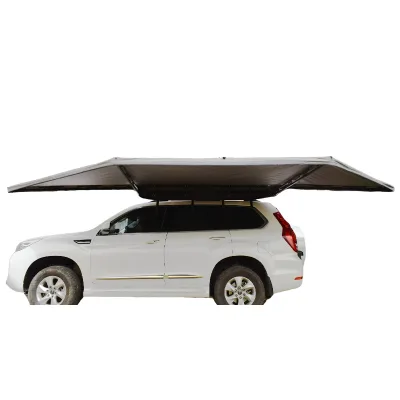
Source a waterproof uv protection car awning from 30 verified listings. Compare aluminum frame options, PU or PVC coated sails, and customizable sizes for overlanding, car camping, and outdoor vehicle use; compare the available evidence and request quotations based on your requirements.
Key considerations
Products List




Comprehensive Sourcing Guide
Waterproof UV Protection Car Awning Sourcing Guide
Sourcing a reliable waterproof UV protection car awning requires balancing structural integrity with material durability, as these components face constant exposure to the elements. Buyers must prioritize awnings that offer robust frame support, typically constructed from aluminum alloy, to ensure stability against wind loads while maintaining a lightweight profile for easy transport. The fabric selection is equally critical, with options ranging from high-quality rip-stop poly canvas to polycotton blends, each offering distinct advantages in breathability and water resistance. Understanding these material differences helps procurement teams align product specifications with their specific operational needs, whether for overlanding expeditions or casual car camping.
Beyond basic shelter, modern awnings often include customizable features such as mosquito nets, awning walls, and adjustable height mechanisms to enhance user comfort and versatility. The market offers various configurations, including ridge tents and square centre-pole designs, allowing buyers to select structures that best fit their vehicle racks and usage patterns. Verification of waterproof ratings, typically measured in millimeters of water column pressure, ensures that the awning can withstand heavy rainfall without leaking. By focusing on these core technical attributes, buyers can mitigate the risk of product failure and ensure long-term satisfaction for end-users who depend on these systems for outdoor reliability.
Product Scope and Observed Listing Signals
The current market landscape for car side awnings reveals a diverse range of models, with observed price points spanning from $3 to $800 USD, reflecting significant variations in material quality and brand positioning. Minimum order quantities (MOQs) are equally flexible, ranging from single units for sample testing to bulk orders of up to 10,000 pieces for large-scale distribution. This wide spectrum allows buyers to tailor their procurement strategy based on inventory capacity and target market segments, whether focusing on premium overlanding gear or affordable entry-level camping accessories. The presence of customized capacity options, such as two-person or six-person configurations, indicates a strong trend toward personalized solutions that cater to specific group sizes and vehicle dimensions.
Listing signals also highlight the importance of packaging and portability, with many suppliers offering roll-up designs accompanied by PVC carry bags or export cartons to protect the product during transit. Standard sizes like 200x200cm and 250x300cm are commonly available, though customized dimensions are frequently offered to meet unique spatial requirements. The inclusion of specific model identifiers, such as SH2, SH3, SH4, and CA-2020L, suggests a structured product catalog that facilitates precise ordering and inventory management. Buyers should carefully review these listing details to ensure that the selected awning aligns with their logistical constraints and customer expectations, paying close attention to the stated origin, typically China or Hebei Province, which may influence shipping costs and lead times.
Technical Specifications to Verify
When evaluating technical specifications, the frame material is a primary consideration, with aluminum alloy and aluminum wristlock poles being the most prevalent choices due to their strength-to-weight ratio. Buyers must verify the exact gauge and quality of the aluminum to ensure it can support the awning’s weight and withstand wind pressure without bending or breaking. Additionally, the sail material, whether poly, canvas, or polycotton, should be examined for its finishing process, such as PU or PVC coating, which directly impacts waterproof performance and UV resistance. The outer tent waterproof index, often ranging from 1500mm to 3000mm, provides a quantitative measure of the fabric’s ability to repel water, making it a crucial metric for assessing suitability in rainy climates.
Other critical technical details include the opening angle, with some models offering a 270-degree sector shape for maximum coverage, and height adjustment capabilities that can reach up to 2.5 meters for enhanced headroom. The control mechanism, typically manual, should be assessed for ease of deployment and retraction, as complex systems may require additional training or maintenance. Fabric options like 420d polyester or 280g polycotton offer different trade-offs between durability and breathability, while optional accessories such as mosquito nets and awning walls add functional value. Buyers should request detailed specification sheets to confirm these parameters, ensuring that the product meets the rigorous demands of outdoor use and provides a comfortable shelter for users.
Compliance and Safety Documentation
Compliance and safety documentation are essential for mitigating liability and ensuring that the awning meets international quality and safety standards. Buyers should request certificates of conformity and test reports that verify the fabric’s waterproof rating and UV protection capabilities, as these claims must be substantiated by independent laboratory testing. While specific standards like ISO 811 or ASTM D2261 may be referenced in the industry, buyers must confirm that the supplier’s documentation aligns with the regulatory requirements of their target markets. This verification process helps prevent disputes and ensures that the product performs as advertised under real-world conditions, protecting both the buyer and the end-user from potential safety hazards.
In addition to material safety, buyers should inquire about the durability of the zipper systems and other hardware components, such as the waterproof PVC covers with YKK zippers, which are prone to failure if not properly manufactured. Documentation should also cover the structural integrity of the poles and joints, ensuring that they can withstand repeated deployment and retraction without compromising safety. By maintaining a rigorous documentation review process, buyers can build a supply chain that prioritizes quality and reliability, reducing the risk of product recalls and customer complaints. This proactive approach to compliance not only safeguards the brand’s reputation but also fosters trust among consumers who rely on these products for their outdoor adventures.
Cost Drivers and Commercial Terms
Cost drivers for car awnings are primarily influenced by the choice of materials, with high-quality rip-stop poly canvas and aluminum frames commanding higher prices than basic polyester alternatives. Customization options, such as tailored sizes, colors, and additional accessories like mosquito nets, also contribute to the final cost, as they require specialized manufacturing processes and additional inventory management. Buyers should negotiate clear commercial terms that address these variables, ensuring that the quoted price includes all necessary components and packaging. Understanding the breakdown of costs helps in identifying areas where savings can be achieved without compromising quality, such as optimizing packaging dimensions to reduce shipping volume.
Commercial terms should also cover payment structures, lead times, and warranty policies, which are critical for managing cash flow and customer satisfaction. Suppliers may offer different MOQs based on the level of customization, with standard sizes requiring lower minimums than bespoke designs. Buyers should seek transparency in these terms to avoid hidden fees or unexpected delays, particularly when sourcing from international suppliers. By establishing robust commercial agreements, buyers can secure favorable pricing and reliable delivery schedules, ensuring that their inventory needs are met efficiently. This strategic approach to cost management enhances profitability and supports long-term business growth in the competitive outdoor equipment market.
Supplier Qualification and Quality Control
Supplier qualification is a critical step in ensuring the reliability of the supply chain, requiring buyers to assess the manufacturer’s production capabilities, quality control processes, and track record. Buyers should verify the supplier’s experience in manufacturing car awnings, looking for evidence of consistent quality and adherence to specifications. Factory audits, whether conducted on-site or through third-party agencies, can provide valuable insights into the production environment and the effectiveness of quality control measures. This due diligence helps identify potential risks, such as inconsistent material sourcing or inadequate testing procedures, allowing buyers to make informed decisions about their partnerships.
Quality control protocols should include rigorous testing of waterproof ratings, UV resistance, and structural integrity, with clear acceptance criteria for each product batch. Buyers should request sample units for independent testing to verify that the products meet the agreed-upon specifications before committing to large orders. Establishing a clear communication channel with the supplier for addressing defects or discrepancies is also essential for maintaining product quality. By prioritizing supplier qualification and robust quality control, buyers can minimize the risk of receiving substandard products and ensure that their customers receive high-quality, reliable awnings that perform as expected in outdoor conditions.
Long-Term Procurement Checks
Long-term procurement checks involve continuous monitoring of supplier performance, product quality, and market trends to ensure sustained success in the car awning category. Buyers should establish key performance indicators (KPIs) to track metrics such as defect rates, delivery times, and customer feedback, using this data to drive continuous improvement. Regular reviews of supplier capabilities and market developments help identify opportunities for innovation, such as new materials or design enhancements that can differentiate the product offering. By staying informed about industry trends, buyers can adapt their procurement strategies to meet evolving customer demands and maintain a competitive edge in the market.
Additionally, buyers should maintain open lines of communication with suppliers to address any emerging issues promptly and collaboratively. Building strong relationships based on mutual trust and transparency fosters a partnership that can withstand market fluctuations and supply chain disruptions. Long-term checks should also include periodic reassessment of product specifications to ensure they remain relevant and compliant with changing regulations. By adopting a proactive and strategic approach to procurement, buyers can secure a reliable supply of high-quality car awnings, supporting their business growth and customer satisfaction over time. This disciplined focus on long-term value creation ensures that the procurement function remains a strategic asset rather than a mere operational task.
FAQs
What customization options are available for the awning capacity?
The awning capacity is fully customizable to meet specific needs. You can select from standard configurations or request tailored dimensions. This flexibility ensures the product fits various vehicle types and camping scenarios without compromising structural integrity or waterproof performance.
How is the frame material constructed for durability?
The frame is constructed using high-quality aluminum alloy for strength and lightweight portability. This material resists corrosion and supports the tent structure effectively. It is designed to withstand outdoor conditions while maintaining stability during setup and use in various weather environments.
Can the awning be used for car camping and overlanding?
Yes, the awning is specifically designed for car camping, overlanding, and general outdoor use. Its application supports vehicles equipped with racks, providing reliable shelter. The design ensures stability and protection against elements while enhancing the camping experience in diverse terrains.
What is the waterproof rating of the main tent fabric?
The main tent features a waterproof rating of 3000mm, ensuring excellent protection against rain. Some models offer an outer tent index ranging from 1500mm to 3000mm depending on the specific configuration. This guarantees dry conditions even during heavy downpours for extended outdoor stays.
Which fabric materials are used for the sail and outer tent?
The sail material is available in canvas or poly options, often finished with PU or PVC coating. The fabric can be 420d polyester or 280g polycotton, offering high-quality rip-stop properties. These materials provide durability, water resistance, and UV stabilization for long-term outdoor reliability.
How is the awning packaged for shipping and transport?
The product is packaged in roll-up form with a PVC carry bag or export carton. This packaging type ensures safe transport and easy storage. The design protects the awning from damage during transit while allowing convenient setup and takedown at your destination site.
What is the maximum height adjustment available for the structure?
The structure features an adjustable height with a maximum of 2.5 meters. This allows users to customize the interior space according to their comfort needs. The adjustable design accommodates different user heights and provides ample room for movement inside the shelter.